Volcano Presentation
Introduction to Volcanoes
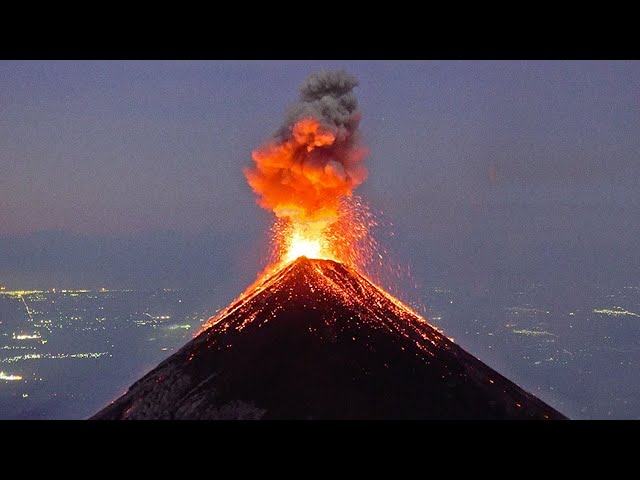
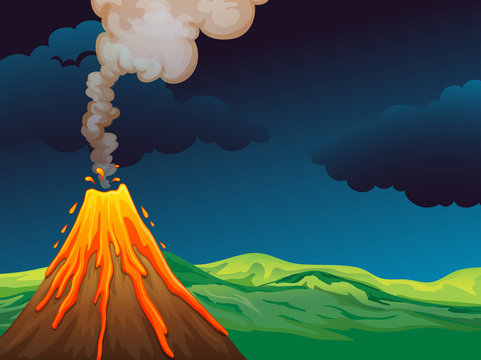
Volcanoes are openings in the Earth's crust that allow molten rock, ash, and gases to escape from below the surface. They are formed when tectonic plates move apart or collide, creating pressure that forces magma to the surface.
Volcanoes can be found on land and under the ocean, and they play a crucial role in shaping the Earth's landscape. Some of the most famous volcanoes include Mount Vesuvius, Mount St. Helens, and Mauna Loa.
Types of Volcanoes
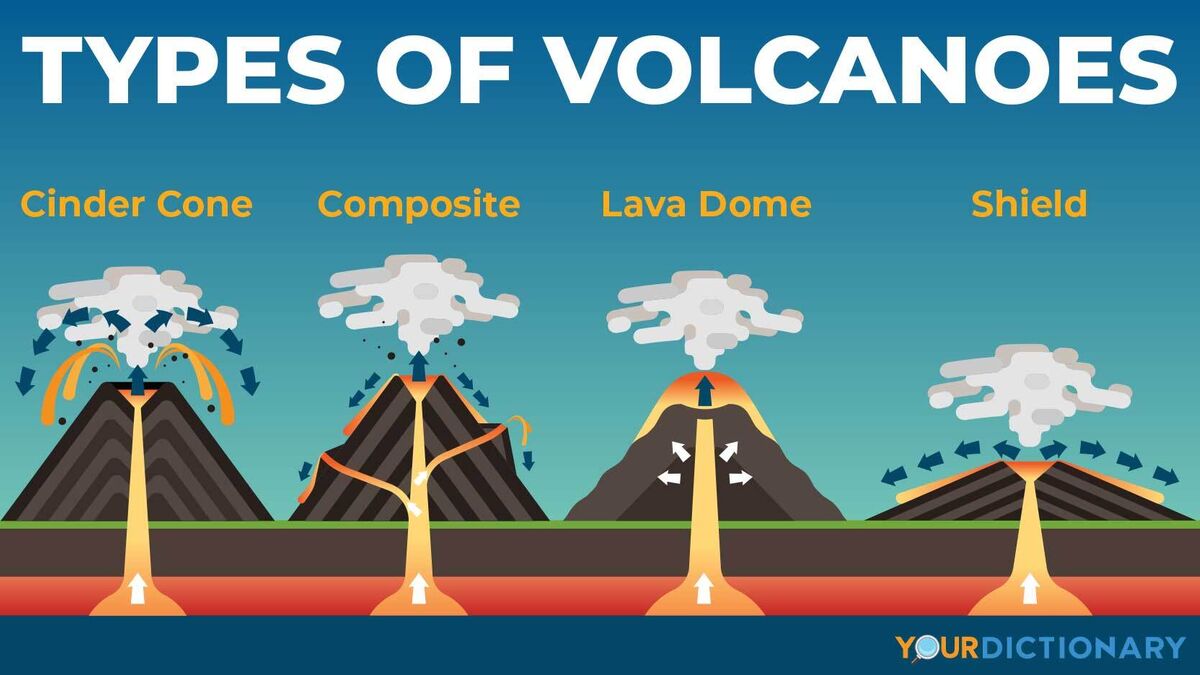
There are three main types of volcanoes: shield volcanoes, stratovolcanoes, and cinder cone volcanoes.
Shield Volcanoes: These are broad, gently sloping volcanoes formed by the eruption of low-viscosity lava. Examples include Mauna Loa in Hawaii.
Stratovolcanoes: These are steep, conical volcanoes made up of layers of lava, ash, and rock. Mount Fuji in Japan is a famous stratovolcano.
Cinder Cone Volcanoes: These are small, steep-sided volcanoes formed from explosive eruptions of gas-rich magma. Parícutin in Mexico is a well-known cinder cone volcano.
Volcanic Eruptions
Volcanic eruptions can be explosive or effusive, depending on the magma's composition and gas content.
Explosive Eruptions: These occur when gas-rich magma is trapped under high pressure. When the pressure is released, it causes a violent explosion, sending ash, rock, and lava into the air.
Effusive Eruptions: These occur when low-viscosity lava flows steadily out of the volcano. These eruptions are less violent but can still cause significant damage.
Famous explosive eruptions include the 1980 eruption of Mount St. Helens, while effusive eruptions are common in Hawaii.